








Motivation in RPGs for kids
Playing role-playing games with kids, or even designing one, often leads to the idea that the game should have some sort of positive educational effect. It's a tempting thought for some that through gaming, we can teach children, shape them, and show them what is "right." But is that really a good approach?

Was findest du im Artikel?
Playing role-playing games with kids, or even designing one, often leads to the idea that the game should have some sort of positive educational effect. It's a tempting thought for some that through gaming, we can teach children, shape them, and show them what is "right." But is that really a good approach?
About motivation
Children ask endless questions and won't rest until they understand the meaning. That famous, tireless "why?" Every new piece of information moves them forward, and they naturally find joy in it. It's good to present them with things that make sense to them and help them grow.
Motivation is something that directs our behavior and actions toward achieving a goal. While intrinsic motivation is the result of our needs and interests (the need for knowledge, self-realization, cultural needs…), extrinsic motivation is determined by external stimuli (the threat of punishment, the possibility of a reward…).
"Do rewards motivate people?" "Absolutely. They motivate them to get rewards." - Alfie Kohn
Motivation is an integral part of any game, including RPGs. Role-playing games often claim that their goal isn't to win, but to have fun. That's a bit misleading, though, because players always get some kind of reward from the game. RPGs use several ways of "rewarding," one of which is character development—a kind of fictional gain of fictional assets—money, rare equipment, or abilities that others don't have.
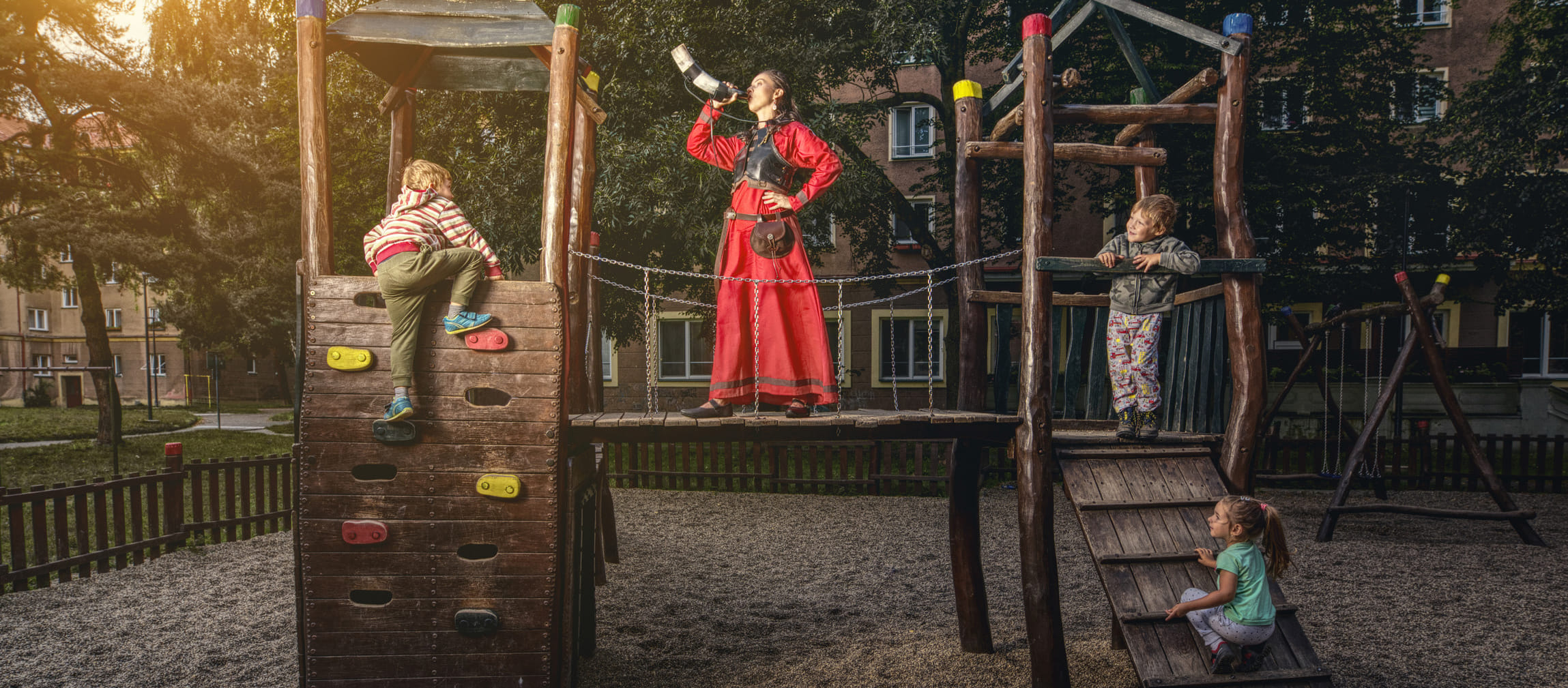
In other games, the reward might be an entertaining story that players experience and create at the same time. We learn through stories, gain information, and influencing them can bring us pleasant feelings. In RPGs, players often solve tricky tasks, riddles, and puzzles through their characters—solving them also brings satisfying feelings and can be a great reward.
Interestingly, however, RPG authors are usually not satisfied with the players' internal satisfaction; they need to motivate them more intensely, guide them, and show them how they should play the game. This is what various rewards are for, such as XP or "experience points," which are awarded in a given game for activities the author considers correct or fun. In the "hack and slash" genre, this means killing monsters; in OSR, it might be for finding treasures or solving riddles; in story-driven games, you get rewarded for interesting narrative contributions.
Personally, I believe that if external motivation is added to a game to force players to play in a certain way, it can have a negative impact on the game (fewer options, genre "flattening").
Why I think extrinsic motivation is bad
Extrinsic motivation generally comes from the outside; it's an external incentive that doesn't stem from the individual, but from their surroundings or the people around them. If a child (or even an adult) is to learn something or "adopt" something, they should be driven by intrinsic motivation—only then can the urge, the desire for change, or the acquisition truly come from within.
With extrinsic motivation, we can instill certain habits or attitudes in people, but they will never be their own; they will accept them "for a fee," not out of internal need or eagerness.
If we move from the general level to RPGs, we can illustrate this with an example: Let's say we set a premise—to show kids that violence is wrong. The easiest solution seems to be rewarding the player for having their character use a different solution to an activity/conflict instead of violence. We add extrinsic motivation.
What is the result? Players start solving conflicts non-violently and collect rewards for it. So far, so good. The problem arises when we remove the extrinsic motivation or reverse it. As soon as the reward disappears, the player will return to using combat to solve the situation (unless they have an internal problem with it or there is another motivation discouraging them). Some studies even suggest that if extrinsic motivation disappears, even those who previously preferred the activity due to intrinsic motivation will turn away from it. If we started rewarding violent solutions in the game, players would likely switch from the original peaceful game to killing monsters without a problem, and it wouldn't seem strange to them. In other words, they probably wouldn't take anything away from our effort to instill in them that violence is not okay. This is not the way.
What does this mean? Probably the fact that if the promised in-game reward for using a non-violent solution is missing in real life, the child won't use it. Or they might develop a habit that non-violent solutions are the right ones, but it's not a habit based on internal conviction, and therefore it is very unstable.
So how to do it? My opinion is that, for example, a negative attitude toward violence cannot be instilled in a child; we can provide the child with maximum information, insights, and perspectives and let them form their own opinion. If we flatten this process down to just giving the information "violence is bad" and adding a reward or punishment, we achieve nothing.
What does this mean in the context of RPGs?
When creating RPGs for kids, it doesn't seem wise to think of the game as educational in the sense that the child gets some "in-game" (or out-of-game) reward for behavior or decisions we consider correct. Giving points for helping a teammate, non-violent behavior, and other, let's say, moral acts seems ineffective because the moment the added motivation disappears, this "habit" is not transferable.
When extrinsic motivation disappears, the need to behave in the desired way likely disappears too—in other words, it's not a suitable way to teach kids, for example, that cooperation is a good thing. They will get used to cooperating only because they get a reward for it; in reality, without a reward, they won't care. What seems interesting, on the other hand, is showing the benefits of helping through the plot and story—that is, when they come up with the idea to help each other, they overcome an obstacle and move forward in the story. It is also a reward to some extent (= progress in the game), but at the same time, it is a told story that they can adopt as their own lived experience.
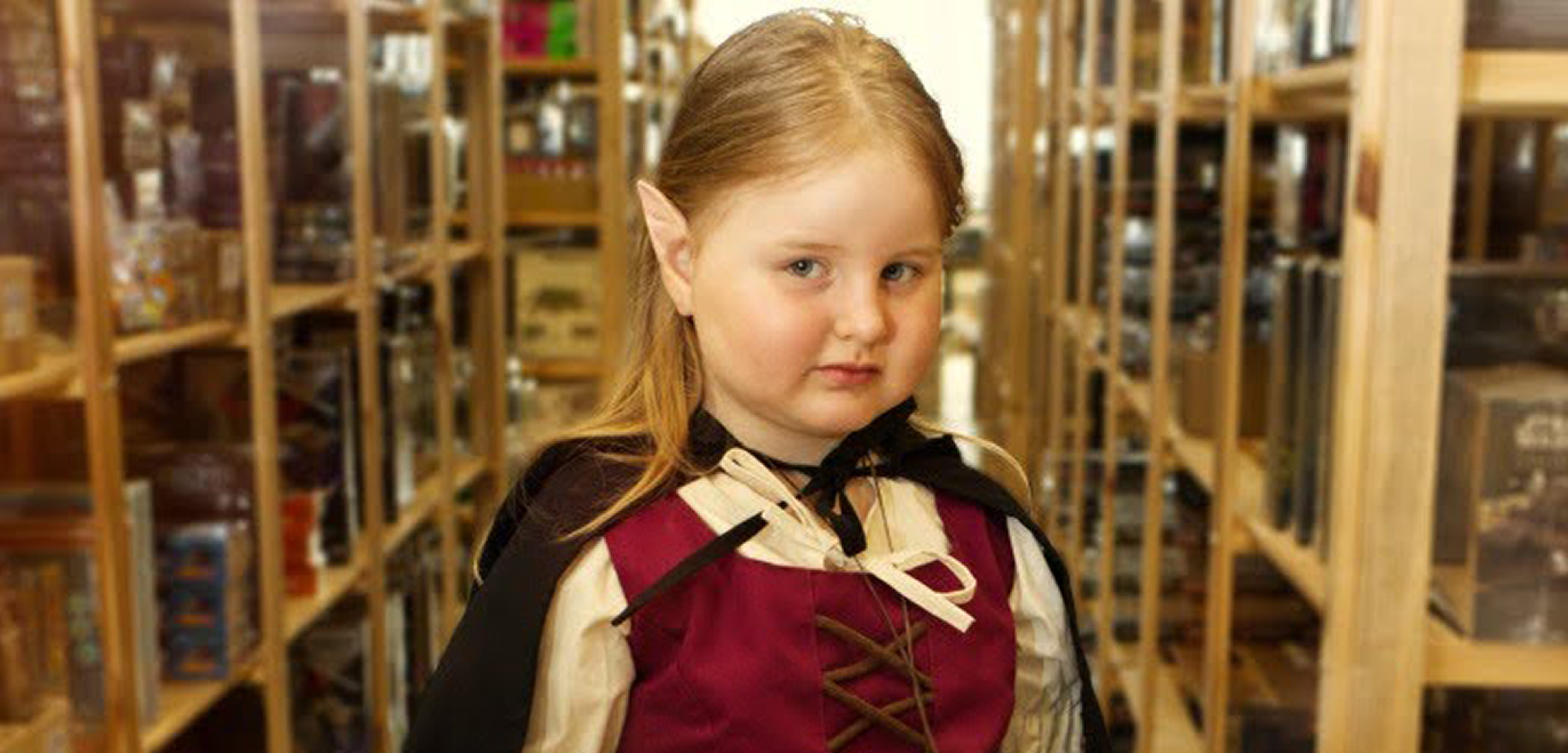
A functional model could be one where we pass on information and perspectives to the child in an effective or unconventional way—through a story. We pass on images, decisions, and activities that they cannot normally experience, but in the form of a narrative, they are able to adopt them as their own. So, for example, instead of rewarding the child in the game with "experience points" for helping a teammate, we can design an obstacle that they can overcome most easily by talking and working together. This way, the child-player has all the options available, but they discover for themselves that if they cooperate, the result is more effective.
So what can be beneficial about playing RPGs (for kids)? For me, several things:
- Real cooperation at the player level (not the character level)—for example, the characters find treasure and have to divide it—the players have to agree around the table on who takes what from the treasure.
<li>Influencing the plot—if players are allowed to influence the story to a reasonable extent, they can take away an experience a class above passive movie watching or listening to a book—they can intervene in the plot.</li>

<li>Creative activity—players invent characters, items, or events that they can then discover, use, shape, or illustrate in the game.</li>

<li>Counting—in RPGs, counting can be an organic part, but with added motivation, it's on the edge…</li>
author Jiří Reiter

Jiří Reiter
Věčně punkový podnikatel, průzkumník slepých uliček, samouk, geek, fantasák, otec čtyř dětí.
Das könnte dir auch gefallen
Mytago-Newsletter #37
Entdecke die Neuheiten des Verlags Mytago! Wir veröffentlichen eine Erweiterung für das Witcher RPG, eine Kampagne für Pirate Borg und einen weiteren Teil von Fighting Fantasy. Finde heraus, was dich dieses Jahr erwartet. ganzer Artikel...
20. 8. 2026 Jiří Reiter 5 min
Kurze Geschichte der Spielwürfel
Wusstest du, dass Spielwürfel die Menschheit seit über 5.000 Jahren begleiten? Wirf einen Blick in ihre Geschichte von den ersten Stäbchen bis zu modernen Sammlersets. ganzer Artikel...
13. 8. 2026 Karel Krajča 6 min
Übersicht der Rollenspiele aus der Mark of The Odd-Familie
Reizen dich minimalistische RPGs? Wir haben für dich eine große Übersicht von Spielen vorbereitet, die auf dem Into the Odd-System basieren. Finde dein Lieblingsgenre! ganzer Artikel...
10. 7. 2026 Jiří Reiter 24 min